
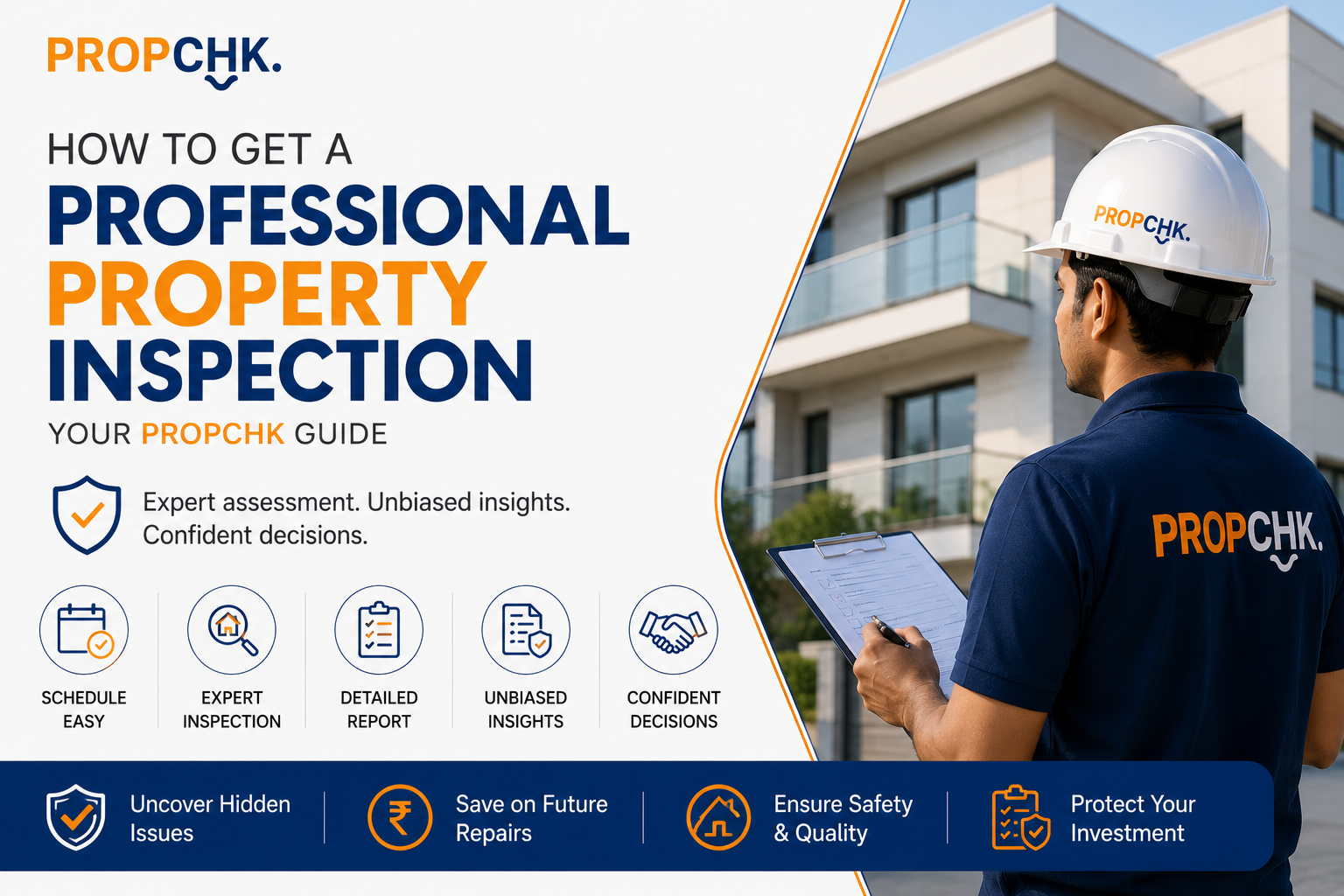
To get a professional property inspection, first pick a qualified service like PropChk. Then, schedule an appointment that addresses your property’s specific needs and any worries you have. Finally, carefully review the inspector’s detailed report. This expert assessment gives an unbiased look at your property’s condition, finding problems that might otherwise go unnoticed.
What is a Professional Property Inspection?
A professional property inspection is a focused, non-invasive check to gauge a home or commercial property’s current state. It’s not an appraisal, which values a property, nor is it a code compliance check. Instead, it’s a critical look at a property’s main accessible systems and parts.
Usually, a highly trained and certified property inspector does this assessment. They meticulously examine the property, looking for significant flaws, safety risks, or areas needing immediate attention or future upkeep. After the on-site visit, the inspector writes a detailed report summarizing all findings for the client. The main goal is to offer clear, complete insights into the property’s health, so owners and potential buyers can make smart choices.
Why is a Professional Property Inspection Essential?
Given that property is often someone’s biggest investment, knowing its true condition is crucial. Professional inspections offer critical, unbiased insights into a property’s current state. They help owners understand issues like unexpected wall cracks or signs of settling that appear after moving in. Is a hairline crack just cosmetic, or does it point to something more serious beneath the surface? An expert can tell the difference.
This detailed information equips property owners to make sound choices about maintenance, necessary repairs, or even discussions with a builder. It acts as a proactive due diligence step, guarding your significant investment and helping ensure the property’s long-term safety and lifespan. Frankly, relying only on visual checks is a gamble, especially with today’s complex construction. PropChk believes an inspection isn’t just a service; it’s a necessary investment for peace of mind and financial security, cutting down on costly surprises later.
When to Consider a Property Inspection
While property inspections are most often tied to real estate deals—a vital step before finalizing a purchase—their use goes far beyond that initial stage. Many property owners find them valuable after taking possession, especially when unexpected problems surface.
For example, if you moved into a flat two months ago and now see new or worsening conditions like wall cracks, uneven floors, or ongoing moisture, a professional inspection is highly recommended. These signs can point to anything from minor settling to more significant underlying concerns that need immediate expert assessment. Also, regular property health checks, say every five to seven years, can be a preventive measure. They help spot potential problems early, stopping them from becoming bigger, more expensive issues. Don’t wait for an obvious problem; proactive evaluation maintains your property’s integrity and value.
Choosing the Right Property Inspector
Picking a qualified property inspection service is perhaps the most critical part of this whole process. A quality inspection depends entirely on the expertise and integrity of the person or team doing it. When you’re searching for an inspector, look for those with solid training, industry-recognized certifications, and a proven track record for being thorough and impartial.
What else should you look for? A reliable inspector will clearly outline their services, show transparent pricing, and readily provide a sample report so you know what to expect. They should be able to explain their methods and the technology they use. At PropChk, we champion integrity, precision, and customer empowerment. Our expert-driven approach, paired with technologically advanced inspection tools, is designed to offer unparalleled insights. We see ourselves as trusted guardians of property quality, committed to protecting your investment through meticulous and unbiased assessments. Our focus isn’t just on finding problems but on helping you understand them, ensuring you get detailed, actionable insights. Learn more about our approach and values on our About Us page.
The Property Inspection Process: What to Expect
Once you’ve chosen your inspection partner, knowing the steps involved will help clarify the process and prepare you.
- Scheduling and Initial Consultation: The process starts with scheduling an appointment. This is your chance to discuss any specific concerns or observations you have about the property, such as wall cracks you’ve noticed or any uncommunicative builder. This initial briefing helps the inspector focus their attention.
- On-Site Examination: During the inspection, the inspector will systematically check accessible systems and components. This includes a thorough review of the exterior, roof, interior, foundation, plumbing, electrical systems, and HVAC (heating, ventilation, and air conditioning). They’ll use specialized tools and their expert eye to find flaws.
- Client Participation (Recommended): We strongly recommend clients join the inspector during the examination. This isn’t just about watching; it’s an invaluable chance to ask questions in real-time, see findings firsthand, and better understand the property’s condition and any issues found. It’s a key part of our commitment to transparency and giving you knowledge.
- Post-Inspection Discussion: After the physical inspection, the inspector will often give a preliminary verbal summary of key findings. This allows for immediate clarification and sets the stage for the formal report.
This structured approach ensures that no stone is left unturned within the inspection’s scope, giving you a complete and accurate picture.
Understanding Your Inspection Report
The property inspection report is the concrete result of the entire process—a detailed document prepared and delivered by the inspector, outlining all observations, findings, and recommendations. It’s much more than just a list of defects; it’s a comprehensive health check of your property.
Reports typically include clear descriptions of the property’s condition, often with photos, and easy-to-understand explanations of any problems found. You’ll find sections for each major system, from the roof down to the foundation. When you review it, focus on understanding what these findings mean. Are they minor maintenance items, or do they point to more significant issues needing immediate attention or professional repair? This report serves as your guide for future property maintenance, possible negotiations, or planning for necessary improvements. It gives you the actionable insights you need to make confident decisions.
Frequently Asked Questions About Property Inspections
Dealing with property concerns can raise many questions. Here are some of the most common inquiries we get about professional property inspections:
- Q: How long does a property inspection typically take? A: The time varies based on the property’s size, age, and overall complexity. Generally, a thorough inspection can take 2 to 4 hours, sometimes longer for bigger or more intricate properties.
- Q: What exactly does a property inspection cover? A: A professional inspection offers a comprehensive assessment of readily accessible major systems and components. This includes the roof, exterior, interior, foundation, plumbing, electrical, and HVAC systems. It’s a broad overview of the property’s general condition. For a detailed breakdown of what we cover, visit our Property Inspection Services page.
- Q: Can I be present during the inspection process? A: Absolutely. In fact, we highly recommend you be there. Being on-site lets you see the inspector’s findings firsthand, ask questions directly, and get a clearer understanding of your property’s condition.
- Q: What should I do if the inspection reveals significant issues? A: The inspection report will detail all findings, categorize them, and often provide recommendations. With this detailed information, you can then make informed decisions. This might involve planning for repairs, getting more evaluations from specialist contractors, or using the report as leverage in discussions with builders or sellers. The goal is to ensure you are fully aware and empowered.
References & Links