
The Proactive Power of PropChk Home Inspections
Buying property, whether it’s your first home or another investment, involves a major financial and emotional commitment. Many find the process overwhelming, full of unknowns about a building’s true condition. This is why a professional home inspection isn’t just a good idea, but a critical part of due diligence. A thorough assessment defends against unforeseen expenses and future headaches, helping you find potential problems long before they become major, costly issues.
At PropChk, we believe every real estate transaction deserves transparency, informed decision-making, and solid security. Our approach focuses on a full evaluation, designed to offer not just peace of mind, but a clear plan to protect your investment for years. We aim to equip you with knowledge, turning uncertainty into confident action.
Prerequisites for a PropChk Home Inspection
Before a PropChk home inspection, a few basic things help ensure a smooth and effective process. Our goal is to provide the most accurate and complete assessment possible, which depends on proper access and context.
- Property Access: Make sure our inspectors can easily get into the property. This means utilities (electricity, water) should be active, and any locked areas (like electrical panels, crawl spaces, attics, outbuildings) must be unlocked or their keys provided. Clear paths to all accessible systems and components allow for an unobstructed evaluation.
- Necessary Documentation: While not strictly required for the inspection itself, any available property documents can be helpful. These might include past inspection reports, renovation records, or warranties for major appliances or systems. Such information can offer valuable historical context, though our assessment remains independent and focuses on current conditions.
- Clear Expectations: Understand that a home inspection is a visual, non-invasive look at accessible systems and components. It’s not a guarantee against all future defects or a detailed appraisal. Our purpose is to find existing problems and potential issues at the time of inspection, giving you expert, unbiased insights. We do not perform destructive testing or move heavy furniture or stored items.
The inspection process is set up for your convenience, but these preparation steps help us maximize the depth and efficiency of our assessment.
1. Initiating Your PropChk Assessmen
Starting your transparent property transaction with PropChk is simple. It begins when you schedule your inspection, at which point we gather key preliminary information about the property type, its age, and any specific concerns you might have. This initial consultation is vital because it allows us to tailor the inspection to your needs and ensure our expert team is fully prepared for the property’s specific characteristics. For instance, a heritage property often presents different considerations than a newly constructed apartment, and understanding these nuances beforehand helps us deploy the right specialists and equipment. Our process aims for clarity from the start, ensuring you know exactly what to expect and what an inspection involves.
2. The Rigorous On-Site Evaluation Process
Once scheduled, our certified inspectors arrive on-site to conduct a thorough evaluation of the property’s visible and accessible systems and components. This isn’t a quick walk-through; it’s a meticulous, systematic examination covering the entire property. We carefully assess the roof, exterior, interior spaces, plumbing, electrical grid, and HVAC systems. We also examine critical elements like drainage, insulation, and ventilation—components often overlooked but integral to a property’s longevity and occupant comfort. Every wall, ceiling, floor, window, and door is scrutinized for signs of wear, deterioration, or improper installation that might escape an untrained eye. We look for the subtle indicators that reveal a deeper story about the property’s health.
3. Applying Advanced Diagnostic Technologies
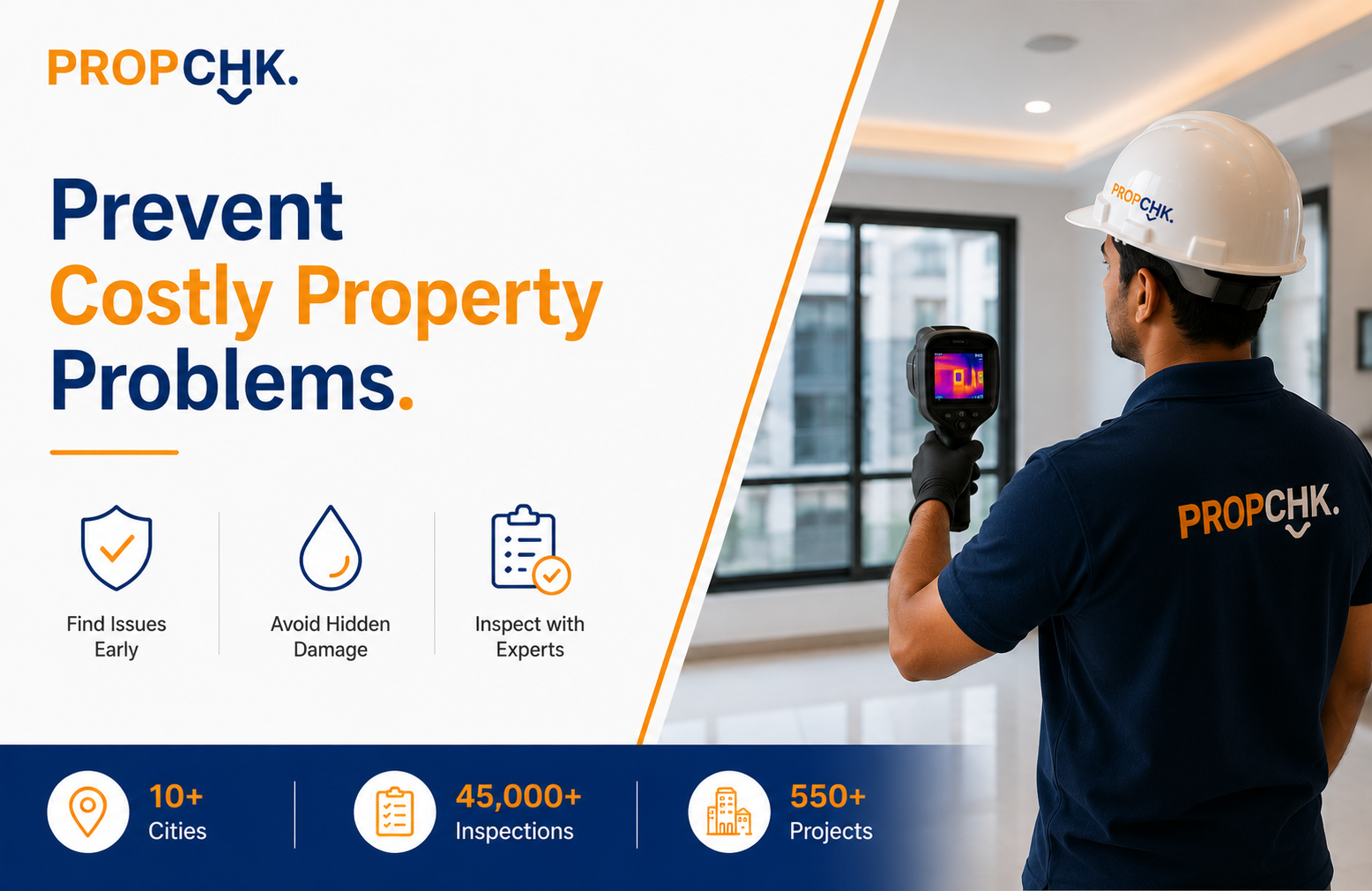
To truly go beyond the surface, PropChk uses cutting-edge diagnostic technologies in our inspection method. This commitment to advanced tools helps us find issues invisible to the naked eye. We routinely deploy:
- Thermal Imaging Cameras: These devices detect temperature differences, often revealing hidden moisture behind walls, missing insulation, or electrical hotspots that indicate circuit overload—problems that could get worse without early detection.
- Moisture Meters: These tools precisely pinpoint elevated moisture levels, helping confirm suspected leaks or areas prone to condensation, which is crucial for preventing mold growth and material degradation.
These technologies aren’t just gadgets; they’re essential instruments that enhance our inspectors’ expertise, providing empirical data to support our findings. This gives you a precise, data-driven understanding of your property’s condition, ensuring no potential problem goes unnoticed due to lack of visibility.
4. Pinpointing Latent Defects and Emerging Issues
The real value of a PropChk inspection lies in our ability to identify potential problems in their early stages. Many issues, if ignored, can grow from minor annoyances into extensive, costly repairs. Think about a small leak from a plumbing fixture or a hairline crack in an exterior wall. These might seem insignificant, but they can quickly lead to widespread water damage, the insidious spread of mold, or compromised building envelope integrity. Our inspectors excel at recognizing these subtle indicators—be it evidence of moisture, inadequate ventilation, or components showing signs of age—which are common culprits behind inspection failures. By catching these early, we give you a critical window to intervene proactively, preventing minor issues from escalating into major financial burdens. Most property owners often confuse a quick walk-through with a comprehensive assessment; the former is a glance, the latter is a diagnostic deep dive, specifically designed to uncover these hidden risks.
5. Receiving Your Granular Inspection Report
After the thorough on-site evaluation, PropChk creates a detailed, easy-to-use report that outlines all findings. This isn’t just a basic checklist; it’s a comprehensive document, often with high-resolution photographs and, where applicable, thermal images, to clearly illustrate observations. We structure our reports to be easily digestible, highlighting critical issues, significant deficiencies, and areas needing immediate attention, separate from general maintenance items. The report serves as your definitive guide, turning complex technical observations into clear, understandable insights. It’s designed as a transparent record, giving you a precise understanding of your property’s condition and any areas of concern.
6. Strategic Action Planning and Prioritized Recommendations
Our commitment doesn’t stop at just finding problems; we offer actionable insights and prioritized recommendations for maintenance or repair. For example, if the HVAC system shows signs of inefficiency, our report won’t just state the finding, but will suggest professional servicing or further evaluation by a specialized contractor. Similarly, if the roof shows minor damage, we’ll recommend timely repairs to prevent future water ingress and premature system failure. These recommendations are carefully prioritized, helping you understand the urgency and potential impact of each finding. This strategic guidance helps property owners make informed decisions about necessary actions, effectively preventing future problems and extending the operational lifespan of various property components. It’s about providing a clear roadmap to address concerns efficiently and effectively.
7. Cultivating Long-Term Property Health and Value
Ultimately, a PropChk home inspection is a foundational step in maintaining your property’s long-term health and value. By proactively identifying and addressing potential issues, owners can avoid unexpected and expensive repairs, preserve or enhance property value, and ensure the safety and comfort of their living or working environment. This preventative approach isn’t just about avoiding immediate costs; it’s about minimizing future financial risk and securing invaluable peace of mind, knowing that your property’s condition has been meticulously assessed by experts. In 2026, the emphasis on proactive property management and preventative maintenance continues to grow, making such comprehensive assessments more crucial than ever for maintaining competitive market value and structural integrity.
Troubleshooting and Common Pitfalls to Avoid
Even with a detailed inspection, misunderstandings can arise, or common mistakes can undermine the value of the assessment. Here’s how to avoid them:
- Misinterpreting the Report: One common pitfall is misunderstanding the nature of the report. It’s a snapshot of the property’s condition at the time of inspection, not a warranty or a prediction of future issues. Prioritize the recommendations based on urgency and potential impact. Don’t dismiss minor findings; they can often indicate larger, developing problems.
- Ignoring Minor Findings: A small amount of rust on a water heater or a tiny crack in a window pane might seem trivial. However, these “minor” issues, if neglected, can cascade into significant repairs. A small leak can lead to extensive water damage and mold, while a small crack can compromise a building’s thermal envelope, leading to higher energy costs. Always address even seemingly small issues as recommended.
- Assuming Renovation Quality: Just because a property has been recently renovated doesn’t mean it’s free from defects. In fact, some renovations can conceal existing problems or introduce new ones if not performed correctly. Our inspectors look beyond aesthetics to evaluate the underlying systems and quality of workmanship.
- Pro Tip: Consult Experts Post-Inspection: For critical findings, particularly those related to HVAC, plumbing, or electrical systems, our report will often recommend further evaluation by a specialized contractor. This isn’t a dismissal of our expertise, but a strategic step to gain deeper diagnostic insight and obtain precise repair estimates from the relevant tradesperson. Use these recommendations to gather comprehensive information before making decisions.
- Pro Tip: Budget for Maintenance: Consider the inspection report a living document and integrate its findings into your long-term property maintenance budget. Proactive maintenance based on inspection insights is far more cost-effective than reactive emergency repairs.
Conclusion: Invest in Proactive Property Health with PropChk
At PropChk, our mission is to redefine property transactions through unparalleled transparency and expert-driven insights. We understand that a home inspection is far more than a checklist; it’s a strategic investment in your property’s long-term health and financial security. By proactively identifying and addressing potential issues, we empower you to mitigate risks, avoid costly future problems, and safeguard your significant investment. Choosing PropChk means partnering with a trusted guardian of property quality, ensuring you possess the knowledge and actionable steps to maintain a secure, valuable, and enduring asset.